

Are you struggling to capture your audience‘s attention in a world overflowing with content? Do your marketing messages feel ignored, lost in the noise of social media, emails, and ads? The truth is, traditional marketing tactics alone are no longer enough to truly engage your audience. In today’s competitive landscape, brands that master the art of storytelling are the ones that stand out, connect, and convert. Storytelling in marketing is not just a buzzword, it’s a strategic approach to engage meaningfully and emotionally with the people who matter most: your audience.
This is where the profound power of storytelling in marketing comes into play. By weaving compelling narratives, brands can transcend mere transactions and forge meaningful relationships with their target demographic, ultimately driving engagement and fostering loyalty. Harnessing the art of storytelling allows businesses to humanize their brand, making it relatable and memorable in the eyes of their audience.
The ability to engage an audience through compelling narratives is critical in today’s digital world. The importance of storytelling in marketing cannot be overstated. By understanding the core principles of narrative, brands can craft messages that resonate deeply, fostering connection and driving action.
Why Marketing Stories Resonate: The Science Behind Engaging your audience
The power of storytelling marketing can be leveraged across various marketing channels to engage your audience and achieve your business objectives. Here’s how you can apply storytelling marketing to engage your audience across different platforms:
- Social Media: Social media platforms provide a fertile ground for storytelling marketing to engage your audience. Share behind-the-scenes glimpses of your brand’s journey, highlight authentic customer stories showcasing their experiences with your product or service, and create short, emotionally resonant video content that captures attention and fosters connection.
- Content Marketing: Create blog posts, articles, and ebooks that weave compelling stories related to your brand and industry. Use narrative structures to explain complex topics, share insightful anecdotes, and offer valuable information in an engaging way that keeps your audience interested in your storytelling marketing.
- Email Marketing: Use email to share personalized stories that resonate with your subscribers on a deeper level and build stronger relationships through storytelling marketing. Segment your audience and tailor stories to their specific interests and needs, making the content more relevant and engaging.
- Website: Your website is your brand’s online home. Use it strategically for storytelling marketing to tell your brand story in a captivating manner and clearly showcase your core values, mission, and the “why” behind your business to engage your audience from the first interaction.
- Advertising: Incorporate storytelling marketing into your advertising campaigns to create ads that are not just promotional but also memorable and impactful, effectively engaging your audience on an emotional level and leaving a lasting impression.
- Video Marketing: Video is a particularly powerful medium for storytelling marketing. Create visually appealing and emotionally driven videos that capture the attention of your audience and tell your brand story in a compelling and easily digestible way, maximizing engagement.
- Customer Testimonials and Case Studies: Leverage the authentic power of storytelling marketing by letting your satisfied customers tell their own stories about how your brand has positively impacted their lives or businesses. These real-life narratives provide powerful social proof, build trust with your audience, and significantly engage potential customers.
The Marketing Elements That Matter: Crafting Your Brand Story for Audience Engagement

Developing a powerful brand story requires careful consideration and planning. It’s not about simply telling a tale; it’s about crafting a narrative that aligns with your brand values, resonates with your target audience, and drives desired outcomes. Key elements of a compelling brand story include:
- The Hero’s Journey: This classic narrative structure, popularized by Joseph Campbell, provides a framework for crafting compelling stories. It involves a protagonist who embarks on a journey, faces challenges, and ultimately triumphs, returning transformed. Your brand can be the guide, helping your customers on their journey.
- Authenticity and Transparency: Consumers are increasingly skeptical of marketing messages that feel inauthentic or contrived. Share genuine stories that reflect your brand’s values, mission, and personality.
- Relatability: Your story should resonate with your target audience, reflecting their needs, desires, and aspirations. Understanding your audience is paramount to engage them with your story.
- Emotional Connection: Tap into the emotions of your audience by crafting stories that evoke feelings of joy, inspiration, or empathy.
- Clear Message: Your story should have a clear message that aligns with your marketing goals.
- Visual Storytelling: Incorporate compelling visuals, such as photos, videos, and infographics, to enhance your narrative and make it more engaging.
- Consistency: Maintain a consistent brand story across all marketing channels to reinforce your message and build brand recognition.
Marketing Storytelling in Different Marketing Channels
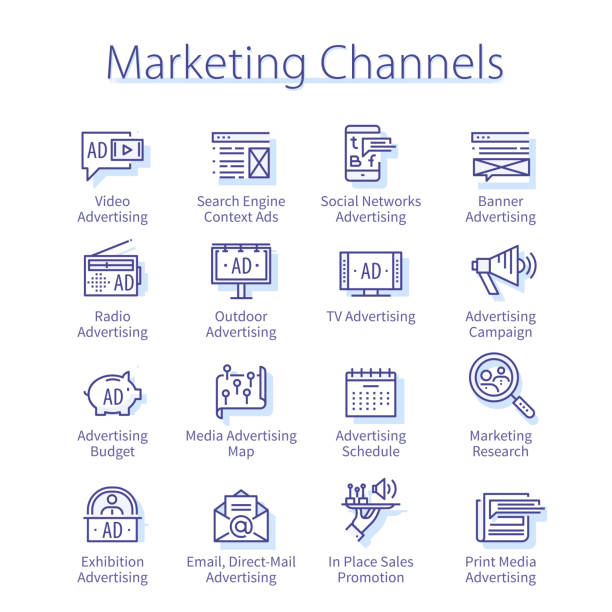
The The power of storytelling marketing can be leveraged across various marketing channels to engage your audience and achieve your business objectives.
Social Media: Social media platforms provide a fertile ground for storytelling marketing to engage your audience. Share behind-the-scenes glimpses of your brand’s journey through compelling narratives, highlight authentic customer stories that resonate with your audience, and create engaging video content that brings your brand storytelling marketing to life.
Content Marketing: Create blog posts, articles, and ebooks that utilize storytelling marketing to tell compelling stories related to your brand and industry, designed to engage your audience with valuable and relatable content.
Email Marketing: Use email to share personalized stories that resonate with your subscribers on a deeper level, employing storytelling marketing to build stronger relationships and engage your audience with tailored narratives.
Website: Your website is your brand’s online home. Use it as a central hub for storytelling marketing to tell your overarching brand story and showcase your values and mission in an engaging way for your audience.
Advertising: Incorporate storytelling marketing into your advertising campaigns to create ads that are not just promotional but also memorable and impactful, effectively engaging your audience on an emotional level through compelling narratives.
Video Marketing: Video is a powerful medium for storytelling marketing. Create visually appealing and emotionally driven videos that capture the attention of your audience and tell your brand story in a compelling and easily digestible way, maximizing engagement.
Customer Testimonials and Case Studies: Leverage the authentic power of storytelling marketing by letting your satisfied customers tell their stories about how your brand has positively impacted their lives or businesses. These real-life narratives provide powerful social proof, build trust with your audience, and significantly engage potential customers through genuine experiences.
Customer Testimonials and Case Studies
Let your customers tell their stories about how your brand has helped them. This provides social proof and builds trust.
Many brands have successfully leveraged the power of storytelling to connect with their audience and achieve their marketing goals.Examples of Brands Winning with Storytelling:
- Nike: Nike’s “Just Do It” campaign is a masterclass in storytelling. It features inspiring stories of athletes overcoming challenges and achieving their goals.
- Dove: Dove’s “Real Beauty” campaign challenges traditional beauty standards and celebrates the diversity of women.
- Airbnb: Airbnb’s “Live There” campaign encourages travelers to experience destinations like locals, highlighting the unique stories and experiences that travel can offer.
- Coca-Cola: Coca-Cola’s marketing is legendary for its ability to tell stories that evoke positive emotions and connect with people on a global scale.
- Apple: Apple’s product launches are always masterfully crafted stories that highlight the innovative features and benefits of their products.
Measuring the Impact of Storytelling Marketing

While the impact of storytelling can be difficult to quantify, there are several metrics you can track to measure its effectiveness:
- Engagement Metrics: Track metrics such as likes, shares, comments, and website traffic to gauge audience engagement.
- Brand Awareness: Monitor brand mentions and social media sentiment to assess brand awareness.
- Customer Loyalty: Track customer retention rates and repeat purchases to measure customer loyalty.
- Conversion Rates: Monitor conversion rates to see how storytelling is impacting sales and leads.
- Qualitative Feedback: Gather feedback from customers and employees to understand how your brand story is resonating.
Common Mistakes to Avoid in Storytelling Marketing
1. Being Too Sales-Driven
Stories should entertain, educate, or inspire—not just sell. Overly promotional content can turn off your audience instead of engaging them.
2. Ignoring Your Audience’s Needs
Your story should align with your customers’ pain points and aspirations. If your audience can’t see themselves in the story, they won’t engage with it.
3. Lacking Authenticity
Consumers can spot inauthenticity from a mile away. Stay true to your brand’s values and share genuine stories to build trust.
The Future of Storytelling in Marketing
As technology continues to evolve, the future of storytelling in marketing is bright. Emerging technologies such as virtual reality (VR) and augmented reality (AR) offer new opportunities for immersive storytelling experiences. Artificial intelligence (AI) can be used to personalize stories and deliver them to the right audience at the right time.
However, the core principles of storytelling will remain the same. Authenticity, relatability, and emotional connection will continue to be essential for creating compelling narratives that resonate with audiences.